

TL;DR: Health and wellness coaching is one of the biggest growth opportunities for fitness pros right now. Here’s what the role involves, which certs matter, and how to turn it into a business.
–
All fit pros have a passion for helping others. They also know that for some people, sticking with and achieving their long-term fitness goals can be a bit of a struggle. This is where a health and wellness coach can step in — to help keep clients moving in the right direction.
Tbh, you’re probably already doing some health and wellness coaching without knowing it.
Every time you check in on a client’s sleep, tweak their program because stress is wrecking their recovery, or spend 20 minutes talking them through a rough week, that’s health and wellness coaching! You just might not have the credential yet.
You already know how bodies and behavior work. A wellness coaching cert gives you a clear scope of practice and a way to charge more for skills you’re already using.
In this post, we’ll cover what health and wellness coaching involves, how it compares to your PT cert, which paths to get certified are worth your time, and how to build a real business around it. Let’s go!
What’s Inside
- What Does a Health and Wellness Coach Do?
- Health Coach vs. Wellness Coach vs. Personal Trainer
- How to Become a Health and Wellness Coach
- Growing Your Health and Wellness Coaching Business
- FAQs: How to Become a Health and Wellness Coach
What Does a Health and Wellness Coach Do?
Next, let’s look at what health and wellness coaching entails.
The role in a nutshell
A health and wellness coach works with clients on the full picture of their health, not just their workouts. This means sleep, stress, food habits, mindset, and long-term lifestyle change, all through a behavior-focused lens.
They work across a range of settings: gyms, private practice, corporate wellness programs, and online, serving clients in person and remotely.
The core skill is coaching, not prescribing. A health and wellness coach helps clients set goals, spot hurdles, and build lasting habits. You’re asking better questions and helping people follow through, not writing clinical plans or treating health conditions.
📝 Read More: What is a Health and Wellness Coach?
Scope of practice
The National Board for Health and Wellness Coaching (NBHWC) defines it clearly:
“Health and wellness coaches engage individuals and groups in evidence-based, client-centered processes that facilitate and empower clients to develop and achieve self-determined, health and wellness goals.
Coaches assist clients to use their own insight, personal strengths, and resources to set goals, commit to action steps, and establish accountability in building an envisioned healthy lifestyle.”
Put differently, health and wellness coaches combine behavior change principles, lifestyle support, and goal setting to support clients. There’s no diagnosing, prescribing, or clinical therapy involved.
What does this mean in practice? You can help a client build better eating habits. However, you can’t write a medical meal plan (like a registered dietitian would). You can coach someone through stress without practicing therapy.
This is a clear scope, and for most fitness pros, it already lines up with what you do.
Health Coach vs. Wellness Coach vs. Personal Trainer
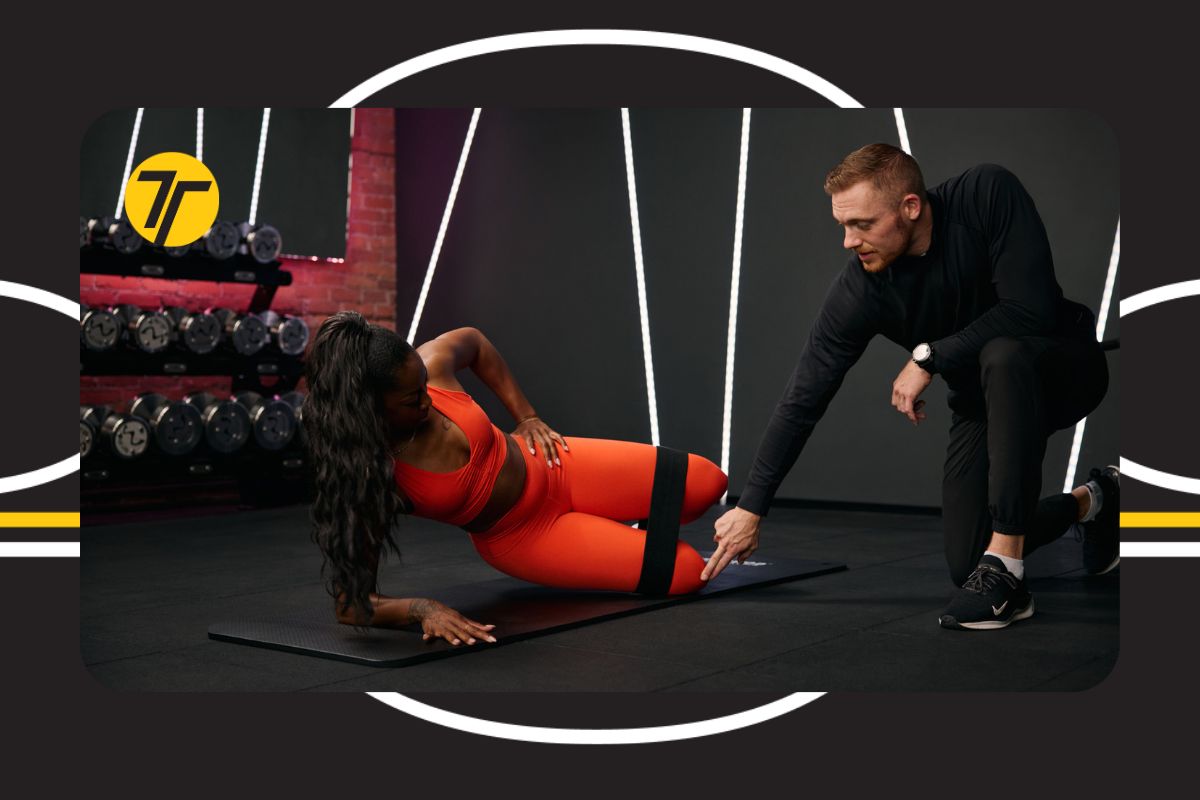
At this stage, you’re probably wondering how the role overlaps with what you already do (personal training) and other industry buzz words you’ve heard. Let’s break it down. 👇
Where the roles overlap
All three roles are working toward the same thing: helping people get healthier. But in practice, the lines blur a lot.
For instance, a personal trainer who builds rapport with clients is already doing some coaching. And a health coach helping someone start an exercise routine is doing some fitness work.
The difference comes down to emphasis, formal scope, and what you’re credentialed to offer.
📝 Read More: The Power of Holistic Coaching: Training, Nutrition, and Habits Working Together
Where they differ
A quick breakdown:
- Personal trainers focus on exercise and movement
- Health coaches lean into chronic condition support and clinical behavior change
- Wellness coaches take the widest view, covering lifestyle, sleep, stress, and quality of life
If a client comes to you managing pre-diabetes and wants help with food habits and stress, a health coaching cert makes you a much more credible partner in that conversation.
On the health coach vs. wellness coach question: health coaching often sits closer to clinical contexts. Wellness coaching is broader and more lifestyle-focused. Many health and wellness coaching programs blend both.
📝 Read More: Longevity Coaching: Why Forever Clients Are the Future of Fitness
How to Become a Health and Wellness Coach
Next, let’s examine what it takes to become a health and wellness coach.
Certification pathways
The gold standard in health and wellness coaching is the NBHWC credential: National Board Certified Health and Wellness Coach (NBC-HWC).
- You need an approved training program, practice coaching hours, and a board exam. It’s thorough. But it carries actual weight with healthcare systems and corporate wellness programs.
If the NBC-HWC feels like a big lift right now, ACE and ISSA both offer solid health coaching certs that are well-known in the fitness industry. If you already hold a PT cert from either, the add-on is a natural next step.
Your existing fitness credentials count toward most approved programs. You’re not starting from zero. 👍
📝 Read More: A Guide to Continuing Education for Personal Trainers
Education and experience
You don’t need a formal degree to work as a health and wellness coach. A background in fitness, nutrition, or behavioral health helps. But the certification itself covers the core material.
Most approved programs run ~75-100 hours. They cover motivational interviewing, behavior change theory, and coaching ethics. The practice hours are often the most valuable part.
📝 Check Out: 6 Lifestyle Coaching and Courses to Consider
Choosing the right path for your goals
Building your own health and wellness coaching business? The ACE or ISSA routes get you certified faster at a lower cost.
Want to work with healthcare systems or corporate wellness programs? The NBC-HWC is worth the extra commitment.
➡️ According to our 2026 State of Personal Training Industry Report, 64% of scale-stage trainers are already seeing more client demand for support beyond workouts, including nutrition and mental wellness. Health and wellness coaching puts you right in that lane.
📝 Read More: How to Become a Health Coach

Growing Your Health and Wellness Coaching Business
Okay, so you’ve learned how to become a health and wellness coach. Now let’s get into how to build a business around it.
#1 – Lean into niche positioning and pricing
Health and wellness coaching opens the door to higher-ticket offers.
Specializations like corporate wellness, stress management, longevity coaching, and women’s health all command premium rates. They solve specific problems for specific people.
Independent health and wellness coaches with a clear niche often package their services at $500 to $1,500 per month. A defined specialty makes your offer easier to sell. General health and wellness coaching is a solid start, but a niche is better in the long-run.
📝 Read More: Offering Holistic Nutrition Coaching: A Mini Guide
#2 – Make work easier with virtual or hybrid delivery
Delivering health and wellness coaching to many clients at once requires the right tools. A good cert gives you credibility. A good software platform keeps your business running.
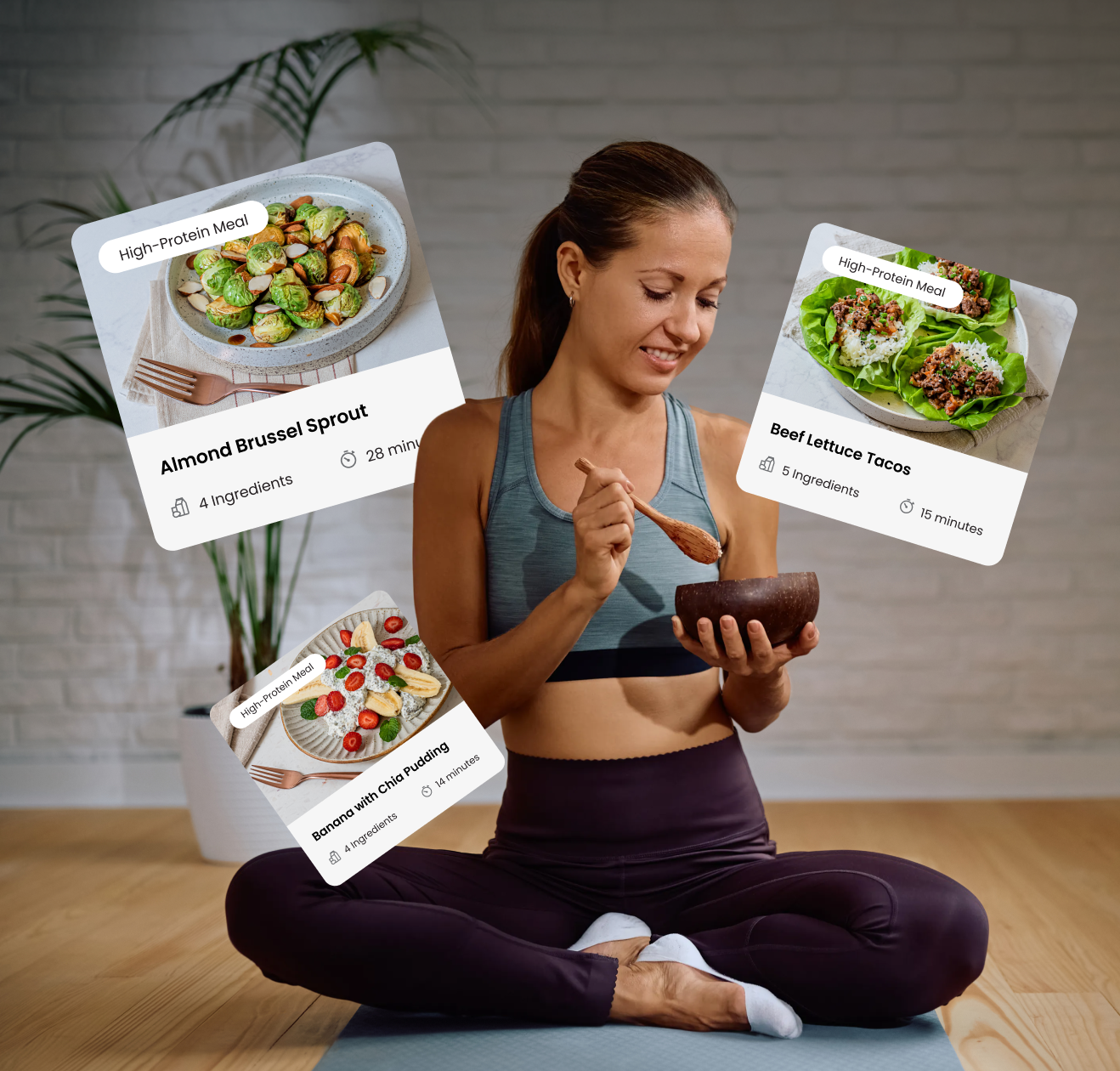
ABC Trainerize is built for full-spectrum coaching. Habit tracking, meal planning, and custom check-in forms let you deliver nutrition support and wellness coaching alongside fitness programs, all in one place!
Your clients stay on track. You stay in the loop. And you can take on more clients without working more hours. 💪
📝 Read More: The Best Health Coach Apps in 2026
#3 – Tap into corporate wellness as a growth opportunity
Corporate wellness is one of the most overlooked revenue streams for health and wellness coaches. Employers are actively looking for qualified coaches to run stress management programs, healthy habit workshops, and preventive health initiatives for their teams.
Companies want coaches with solid credentials. For trainers who already work with office-based clients or corporate professionals, health and wellness coaching for workplace teams is a natural next step.
📝 Read More: Benefits of Corporate Wellness Programs: A Trainer’s Guide
FAQs: How to Become a Health and Wellness Coach
What’s the difference between a personal trainer and a health and wellness coach?
A personal trainer focuses on exercise and movement. A health and wellness coach takes a broader approach, supporting behavior change across sleep, stress, nutrition, and lifestyle. They don’t diagnose or prescribe.
Do you need a certification to be a health and wellness coach?
Not technically. That said, a recognized credential like the NBC-HWC or an ACE or ISSA health coaching cert adds credibility and builds trust with prospective clients. It opens more doors, especially in corporate and clinical settings.
Can a personal trainer become a health and wellness coach?
Yes, and most find it a natural fit. Your fitness background counts toward most approved health and wellness coaching programs, so you won’t be starting over. Many trainers pursue the credential to formalize skills they’re already using with clients.
What’s the difference between a health coach and a wellness coach?
Health coaching tends to focus on clinical behavior change and chronic condition support. Wellness coaching takes a broader lifestyle view, covering stress, sleep, and quality of life. Many health and wellness coaching programs blend both.
Build Your Health and Wellness Coaching Business with ABC Trainerize
The skills that make a great health and wellness coach? You’ve already been building them!
Getting certified gives you the framework, credentials, and confidence to charge what you’re worth. Whether you go with the NBC-HWC or start with ACE or ISSA, the path is shorter than most trainers expect.
ABC Trainerize gives you everything you need to deliver health and wellness coaching at scale: habit tracking, nutrition support, and training programs, all in one platform.