
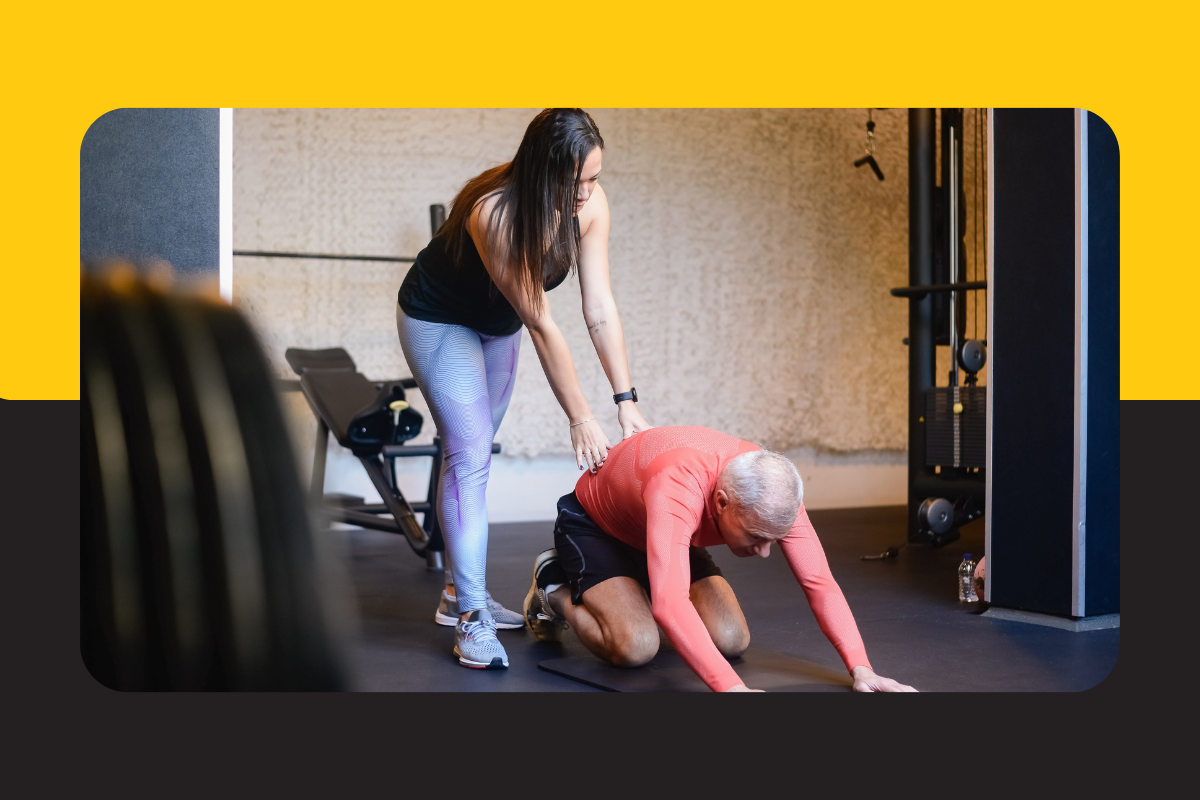
In 2026, personal trainers have turned to 360-degree coaching that supports clients far beyond workouts. They are helping clients build the small, daily habits that make consistency easier. Habit coaching gives structure to the “in-between” moments of a client’s week, the choices around sleep, steps, water, and routines that influence every training session.
With a simple system and the right habits in place, you can support clients more effectively without adding extra hours to your schedule.
Below, we break down the best habit coaching tips you can start using today, to help clients stay on track and scale your coaching business.
What Is Habit Coaching?
Habit coaching is the practice of helping clients build small, repeatable behaviors that support their health and fitness goals.
Instead of focusing solely on workouts, you guide clients through the daily actions that sustain progress. These can include hydration, step goals, sleep routines, meal prep habits, or mindset practices.
The goal is to make change and building healthy habits feel doable: simple actions, practiced consistently, that fit naturally into a client’s lifestyle.
12 Habit Coaching Tips for Personal Trainers
We’ve highlighted the 12 most effective habit coaching tips to take your coaching practice to the next level. Let’s jump right in:
#1. Start with active listening and high-impact habits
Before choosing any micro habits, take time to understand what will actually move the needle for a client. Ask questions, and listen for the daily patterns that shape their stress levels, sleep, eating habits, and energy.
This, of course, requires doing some reading and research on behavior science for coaches.
High-impact habits usually hide inside simple details, like skipping breakfast, or eating a low-calorie one, staying up too late, training too late, or sitting all day. When you identify these behaviors, you can then tweak and test new ones and see the impact they have on their lives.
📝 Free Resource: The Guide to High-Impact Habit Coaching
#2. Use habit stacking and environmental cues
Habits stick when they attach to something clients already do, a concept known as anchoring. Look for routines on autopilot, such as making coffee, commuting, or brushing teeth, then stack a simple healthy habit onto that cue.
For example, stretch for five minutes after shutting down the laptop or prep tomorrow’s meals after dinner.
Research shows that small actions triggered by clear cues increase consistency by reducing effort and decision-making.
📝 Read More: Habit Stacking: Helping Clients Achieve Results
#3. Make habits measurable and connected to training goals
Clients follow through when habits feel directly tied to their fitness goals. That’s why measurable habits work: they let clients see the connection between their daily actions and their progress in the gym.
Examples:
- A protein target that supports muscle recovery.
- A step goal that boosts NEAT and fat loss.
Measurable habits make it easier for you to track progress and results inside ABC Trainerize, which also strengthens your coaching value.
Another thing to note is to always be celebrating progress and small wins. Celebrating wins builds positive psychology habits, which increase confidence and make clients more likely to repeat the behavior.
Check out: How to Overcome Bad Habits (and Build Better Ones) with ABC Trainerize Habit Coaching
#4. Leverage habit tracking apps
The Cue–Routine–Reward loop explains how habits form: a cue triggers the action, and the reward reinforces the behavior.
A habit tracking app supports this cycle by delivering cues (reminders), guiding the routine (assigned habits), and reinforcing the reward (visible progress and streaks).
In January 2025, using ABC Trainerize, clients tracked 3.4 million habits, a 26 percent year-over-year increase, showing how structure boosts adherence.
Within your own branded app, you can set recurring habits, schedule reminders, track check-ins, and support clients with in-app messaging.
#5. Coaching client consistency with structured check-ins
Consistency and accountability improve when clients know exactly when and how they will check in with you. Weekly reflections, quick progress reviews, and simple habit check-ins keep clients engaged between sessions and reduce the chance of “silent drop-offs.”
ABC Trainerize Check-In Forms give you a structured way to do this. You can ask about energy, stress, habits, wins, and challenges, and get all responses in one place. This helps you spot patterns early, adjust your coaching more quickly, and keep clients from drifting.
📝 Check Out: How to Build and Sell Low-Touch Habit Programs with ABC Trainerize
#6. Coach mindset and identity, not just actions
Coaching client consistency improves when habits match identity, not willpower. Instead of only “breaking bad habits,” help clients reframe who they are becoming.
For example, shift “I’m trying to stop snacking” to “I’m someone who fuels my body,” or “I’m trying to sleep earlier” to “I’m someone who prioritizes recovery.”
This is core to mindset and motivation work and is backed by Self-Determination Theory, which shows habits stick when people feel autonomy, competence, and relatedness.
Let clients choose the method, teach why the habit matters, and co-design the routine. Identity-based personal growth coaching drives long-term lifestyle change.
📝 Check Out: How to Increase Client Accountability by Integrating Wearables With Trainerize
#7. Track progress visually to keep clients motivated
People stay consistent when they can see their progress. Visual cues create success reinforcement loops, where streaks and upward trends trigger dopamine and make habits rewarding enough to repeat.
This pattern is supported by Bandura’s self-efficacy research and habit-streak studies showing people avoid breaking streaks because it feels like a loss.
Habit-tracking screens, win dashboards, milestone badges, and streak charts in ABC Trainerize give clients clear proof of progress. Highlight upward trends during check-ins and turn streaks into identity statements like “You’re someone who follows through.” Visual proof fuels consistency.
📝 Check Out: How to Retain Clients and Keep Their Motivation High
#8. Learn to help clients address bad habits
Bad habits stick because they solve a need, not because clients lack discipline.
The two fastest-growing tracked habits on ABC Trainerize show a clear pattern. Alcohol moderation habits grew between 90-97% year over year, depending on the region. Digital detox habits also rose sharply.
This shows people want to change but rely on these behaviors for comfort, escape, or stress relief.
Habit coaching helps them by replacing the habit’s function, not just removing it. This means:
- Identifying what the habit gives the client (coping mechanisms)
- Adding lower-cost routines that deliver the same reward
- Increasing friction around the old habit (Not having snacks in the house)
- Creating simple recovery steps for slip-ups
Change takes time, and clients need structure, not shame, as they unlearn patterns built over years. Long-term habit success comes from helping clients adjust routines as life changes, rather than sticking to the same plan when their needs evolve.
#9. Personalize your coaching approach
Every coach can assign habits and track them through ABC Trainerize or similar tools. What sets great coaches apart is how personally they guide clients in forming those habits in ways that fit their real lives.
Personalization comes from deeply understanding each client’s patterns, not just adjusting reminders.
Build protocols that map their stress cycles, food environment, sleep patterns, and emotional triggers through intake journals and early check-ins. Review weekly reflections to see how they respond to pressure or fatigue, then adjust habits accordingly.
Coaches who excel at behavior change coaching create their own toolbox: tapering protocols for breaking bad habits, values exercises, relapse plans, journaling prompts, and weekly audits that guide intelligent adjustments.
This level of tailoring strengthens coaching for lifestyle change and will help your clients build sustainable routines they can follow long-term.
📝 Read More: Introducing Master Habit Programs to Make Habit Coaching Easier than Ever
#10. Focus on consistency over perfection and address barriers early
Relapse is part of behavior change, not a failure. Clients need habits that keep them moving forward regardless of speed.
You can do this by creating minimum viable versions of each habit, so progress continues even on difficult days. At the same time, barriers must be spotted before they become full setbacks.
This comes from weekly reflection prompts, reviewing mood or stress notes, and tracking progress and results when habits begin to slip.
When clients learn to catch early friction points and adjust quickly, relapse becomes information rather than a spiral, and consistency becomes something they can maintain throughout every phase of their lives, not just the motivated ones.
📝 Read More: Spot the Warning Signs: How to Tell When a Client is About to Quit
#11. Automate habit tracking and accountability
As a habit coach, you don’t want to spam clients, but you do need a system that keeps them accountable without you hovering over them.
Automation and tech become your assistant here. It collects the real data, tracks what’s actually happening, and removes the guesswork when clients “feel like they did okay.”
It also lets you coach more people without burning out. Automated reminders, habit programs, and templates handle the repetitive parts so you can focus on the human part of coaching. Over time, this helps you build your own protocols and deliver them consistently across every client.
Inside ABC Trainerize, automated habit programs, scheduled reminders, and repeatable templates let you support more clients with less manual follow-up.
This is also a strong selling point in your coaching packages; clients get daily support, not just weekly check-ins.
📝 Check Out: Habit Coaching & Retention
#12. Close the loop: review, refine, and recommit
Every habit formation strategy needs a loop-back moment. Once a client completes a cycle, review what worked, what didn’t, and what actually moved the needle for them.
This “habit debrief” prevents clients from drifting and provides you with clean data for the next phase. Look at their streaks, skipped days, mood notes, and weekly reflections to find patterns.
Then refine the habit list to match their current season of life, and help them recommit with a tighter, more realistic plan. This simple review–refine–recommit cycle keeps progress moving and prevents clients from getting stuck in the same routines for months.
📝 Free Resource: Habit Coaching Cheat Sheet for Personal Trainers
How to Become a Habit Coach to Scale Your Business
Habit coaching becomes a revenue engine when clients actually follow through between sessions. And right now, the demand for lifestyle habits is exploding.
Our data showed that clients tracked 3.4 million habits in ABC Trainerize (a 26 percent increase), logged 32 million meals, and leaned heavily into routines that have nothing to do with reps or macros:
- Alcohol moderation habits jumped 90–97%
- Digital detox tracking surged
- Mindfulness and breathing sessions spread across regions
- Mobility, mindfulness, and sleep optimization became the fastest-growing non-workout content categories in the ABC ecosystem
This shift matters for your business: clients are looking for coaches who support their whole lifestyle, not just their workouts.
ABC Trainerize makes that scalable: automated habit programs, reminders, check-ins, and progress dashboards handle daily accountability so you can coach more people without increasing your workload.
Better follow-through leads to better results, which in turn drive retention, referrals, and upsells.
FAQs
How can habit coaching help personal trainers grow their business?
Habit coaching improves retention and lifetime value because it aligns with behavioral psychology. Research by Thaler and Sunstein (“Nudge”) and BJ Fogg shows that people stick to small, simple daily actions more than to big goals. By teaching habit loops, trainers shift from session providers to long-term change partners. That stability increases monthly revenue and differentiates their service.
What are the best strategies for coaching clients to build healthy habits?
The strongest methods come from Tiny Habits (Fogg), Implementation Intentions (Gollwitzer), and identity-based behavior (James Clear). Break goals into micro actions, anchor habits to existing routines, adjust the environment, and track small wins.
How do I use ABC Trainerize Habit Coaching to improve client consistency?
Inside ABC Trainerize, you can assign habits, set reminders, create wellness habit programs, track progress visually, and automate daily habit tracking. Master Habits and automated habit programs help reduce manual follow-up and give clients clear routines to follow, thereby improving coaching consistency and training results.
What is the difference between goal setting and habit building in fitness?
Goal setting focuses on outcomes, such as losing weight or gaining strength. Habit building focuses on the repeatable daily actions that lead to those results, such as step targets, meal prep routines, or structured sleep habits.
How can trainers scale their business using automated habit programs?
Automated habit programs let trainers coach more people without adding hours. Reminders, check-ins, and tracking run in the background, so clients stay consistent even when the coach is offline.
What does a habit coach do?
A habit coach helps clients build healthy habits through a habit formation strategy, behavior change coaching, mindset and motivation work, daily habit tracking, and consistent support.
How to become a habit coach?
You can become a habit coach by learning behavior change principles, building habit frameworks, and using a habit tracking app like ABC Trainerize. This helps you guide clients through daily routines, maintain consistency, and offer structured accountability.
Conclusion: What’s Next?
You can get workouts anywhere. You can download a habit app that celebrates streaks and sends notifications. But those tools cannot replace what happens when a real coach is watching.
Losing a streak in an app is nothing. Losing a streak when you know your coach will see it, mention it, and help you course-correct carries weight. People perform differently when a human is involved. We push harder, stay accountable, and build habits that actually last.
That is the core of habit coaching and the reason it works. When clients feel supported daily, not just during workouts, consistency becomes easier, and results follow.
With ABC Trainerize, you can deliver all of this at scale. Habits, reminders, check-ins, streaks, and automated programs give you the structure, while you provide the meaning.
Pair the system with your coaching, and you become the person who makes change stick.
Bring daily accountability into your coaching. Start your free trial of ABC Trainerize today. Try it Now!