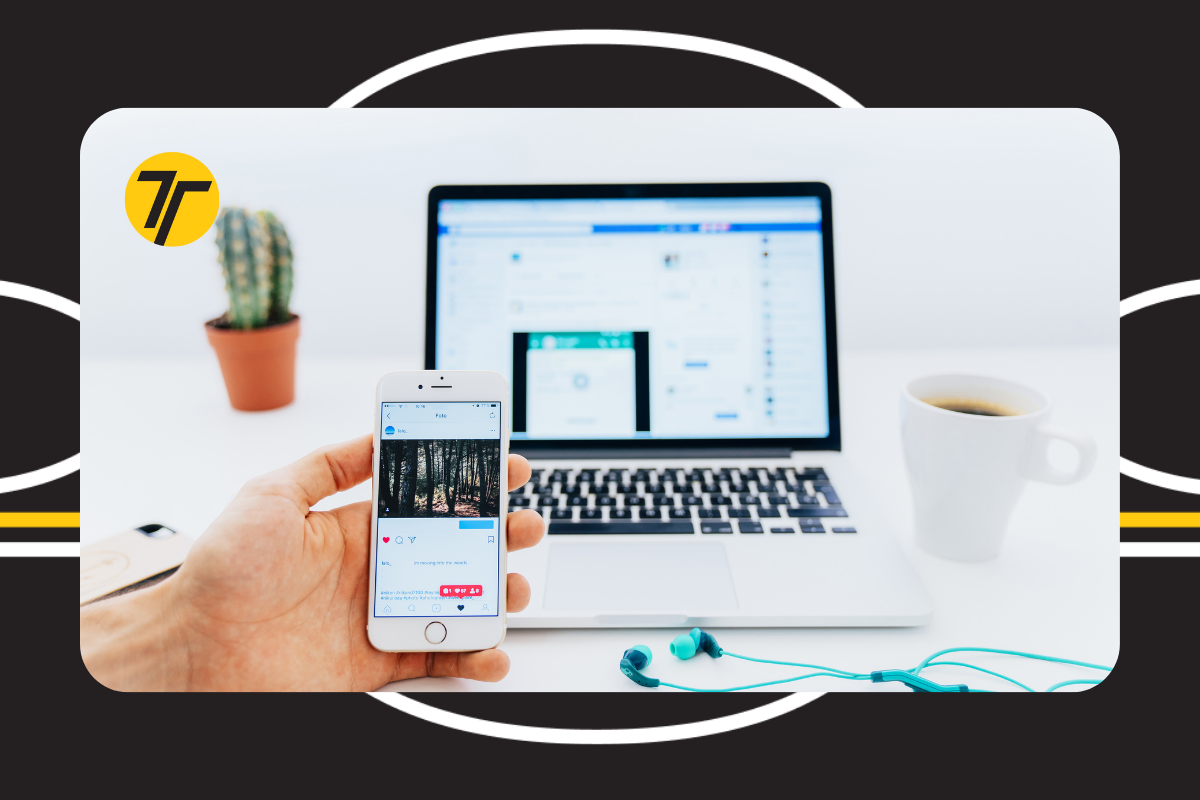
Nearly half the world logs in to Facebook each month, the biggest social media platform as of 2025, with more than 3 billion monthly active users.
But here’s the real question: Is marketing on Facebook still effective? For many fitness professionals, Facebook has shifted from being a daily go-to platform to something they post on occasionally, often without a clear strategy.
Meanwhile, it’s safe to say that today, META —led by Facebook —is an entire ecosystem for businesses. In this guide, we’ll show you how to modernize your fitness Facebook marketing in 2025:
- How to adapt your marketing strategy to Meta’s latest updates
- How to build community and drive engagement that actually converts
- And how to connect it all with ABC Trainerize to automate and scale your efforts
Table of Contents:
- Reassessing Facebook Marketing for Fitness Professionals Today
- Fitness Content Strategy for Facebook in 2025
- Audience Building & Community Engagement
- Funnel Design: From Social to Lead to Client
- Paid Advertising + Organic Synergy
- Measurement, Optimization & KPIs
- How Does ABC Trainerize Amplify Facebook Marketing for Fitness Pros
- Case Study: The Willetts – Building a Full Ecosystem on Facebook
- Conclusions
👉 Free Resource: The Social Media Cheat Sheet for Personal Trainers
Reassessing Facebook Marketing for Fitness Professionals Today
Many personal trainers now focus on Instagram, TikTok, or YouTube for content and lead generation.
Yet behind the scenes, Meta has unified its platforms into one connected engine, meaning every post, Reel, or ad you run can now work together across Facebook, Instagram, and even Threads.
And despite the shift in perception, the numbers tell a different story:
- 3.065 billion people use Facebook every month, making it the world’s largest social platform.
- Its largest age group is 25–34, representing 31.1% of users, a prime demographic for fitness and wellness offers.
- The audience remains 56.8% male and 43.2% female, with users spending an average of 32 minutes per day on the platform.
- And when it comes to purchases, 39% of social buyers say they’ve made a direct purchase on Facebook, more than on TikTok (36%) or Instagram (29%).
That reach and buying intent make Facebook more than a nostalgic platform. It’s still one of the most effective channels for retargeting, community building, and lead nurturing, especially when paired with the rest of the Meta ecosystem.
The real value now lies in how you use it.
Use:
- Instagram and Reels to reach new people and show what you do.
- Facebook Groups to prove your expertise, answer real questions, and stay visible to potential clients.
- Meta Ads and automations to follow up with people who’ve already shown interest and move them closer to buying.
👉 Read More: What Fitness Coaches Need to Know About Social Media in 2025
Fitness Content Strategy for Facebook in 2026
#1: Short-form video: Reels & Clips
Reels-style content now dominates Facebook, with the algorithm favoring short, vertical videos over static posts. The best-performing clips are native to the platform, run 15–45 seconds, and grab attention within the first 3 seconds.
What to post:
- Micro coaching moments: “Why your push-ups hurt your shoulders”
- Client clips: “She trained 3x/week and got her first pull-up”
- Duet-style reactions to trends, nutrition myths, or influencer workouts
- “Coach POV” snippets: clips of you training, walking to the gym, voiceover reflections
You can end the post with one-liners like “Save this,” “Try this next workout,” or “DM me ‘PLAN’” to drive more engagement.
#2: Long-form Educational Content
Live and educational streams still deliver stronger watch time and interaction. Ideas to try out:
- Weekly “Form Friday” live with viewer form checks.
- Program preview walkthrough for beginners.
- “Nutrition office hours” with three focused tips
#3: Mixed Content: Stories, Carousels, Polls, Quizzes, and User Content
Serving different content formats can help keep members engaged through daily interaction and get them to share with others.
Quick wins here include community engagement signals such as poll answers, comments, and reactions. You can encourage them by creating:
- Stories: warm-up, main set, cool-down, plus one daily poll.
- Carousel: “Three cues to fix your squat” with annotated frames.
- Group quiz: “Where do you feel lunges most?” Follow with coaching in comments.
- UGC: weekly member wins with permission and a coach note.
#4: Content Buckets and Pillars
Use four steady pillars and rotate formats so you do not repeat yourself while staying on brand.
- Education: Mini workouts, form cues, regressions and progressions, “If you only have 10 minutes” series.
- Social proof: Client wins, progress charts, short testimonials, “coach cam” praise clips.
- Lifestyle and habit: Sleep, steps, protein, recovery checklists, “Sunday prep in 6 steps.”
- Offers and conversion: Free challenges, 7-day starter, form-check DM offer, intro program that matches what you sell.
In terms of cadence, we suggest a maximum of 3 Reels per week, one live session per week, daily Stories, and one offer post linking to a lead magnet or low-ticket intro.
👉 Check Out: 9 Creative Ways to Repurpose Video Content
Audience Building and Community Engagement
Community is Facebook’s comeback story in 2025. Meta is again prioritizing Groups in feeds and giving them features that make engagement easier, such as Reels, Lives, Events, and Messenger integration.
Start by defining a clear purpose so people know exactly why to join.
Your group should feel like a small coaching environment, not another sales page. “Fat Loss Habits Club” could focus on daily check-ins, while “Stronger With [Your Name]” supports existing clients and warm leads.
Inside, treat the group like a lightweight program. Use weekly anchors such as Mindset Monday, Workout Wednesday, and Weekend Wins. Pin a short welcome video with your story, basic rules, and links to your paid programs.
Two other great marketing tactics are running short Lives —five to ten minutes max —for form demos, Q&As, or motivation boosts.
Secondly, whenever you have a new launch, a new challenge, or want to spike engagement, you can use Facebook Events to gauge interest.
Funnel Design: From Social to Lead to Client
Think of your Facebook funnel like a good training program: simple, structured, and focused on progression.
Start by giving people something free and useful that earns their trust. That could be a downloadable guide, a 3-day mini challenge, or a checklist you deliver directly through Facebook posts or ads.
Once they bite, lead them to a specific destination: your landing page, webinar sign-up, or a free trial class.
Meta’s Business Suite makes this easy because you can use lead forms directly inside Facebook, so users don’t have to leave the app to give you their info. Keep the form short, name, email, and one goal question is enough.
After they sign up, follow up immediately with value: an automated email, a personalized DM, or a quick video message.
Then, remarket to them using Facebook ads with client stories, behind-the-scenes training clips, or quick wins from your community. That’s how you stay visible until they’re ready to commit.
The key is not to push for a sale on day one, but to guide them from awareness to action with steady, intentional steps.
Inside ABC Trainerize, you can tag new leads by source (“Facebook”), deliver an onboarding message or mini program automatically, and track who converts.
This is the ultimate last step that turns social media marketing for fitness professionals into a sales funnel, because you have a system that tracks every move through your funnel.
Paid Advertising and Organic Synergy
Facebook’s algorithms limit how far organic posts travel! Paid campaigns fix that by guaranteeing reach and letting you control who sees what.
Meta’s Advantage+ campaigns make running Facebook ads for gyms and pros alike simpler than ever. They handle placements, audiences, and creative testing automatically so that you can focus on your message and offer. You don’t have to break the bank as long as you have a strategy behind it.
Enable dynamic creatives inside your campaign. This feature tests different combinations of your visuals, headlines, and CTAs to see which mix performs best.
Before you upload, prepare 3–5 versions of each element: a few headline variations, different thumbnails or video intros, and a couple of captions or CTAs. Meta will automatically rotate and analyze them to identify which variants convert best.
If you need help generating ideas or assets, use tools like Canva, CapCut, or Meta’s Creative Hub to produce multiple ad versions quickly.
Use custom audiences to target people who have watched your videos or interacted with your posts, and lookalike audiences to find others like them. Retarget anyone who clicked but didn’t sign up, keeping your visuals and tone consistent across all touchpoints.
Measurement, Optimization and KPIs
#1: Decide what you’re measuring
Start by focusing on the numbers that show real business progress, not vanity metrics. Likes and comments are nice, but they don’t pay your bills. The key metrics to track are:
- Reach: how many new people are actually seeing your content.
- Leads generated: how many people sign up, message you, or download your offer?
- Cost per lead (CPL): how much you spend on ads to get one new lead.
- Conversion rate: how many leads turn into paying clients.
- ROAS (return on ad spend): how much you earn for every dollar you spend on ads.
These tell you what’s working and where to adjust your time and money.
#2: Check your data in two places
Use Facebook Insights for organic content; this shows which posts, Reels, or stories attract attention naturally.
Then open Ads Manager to see how your paid campaigns perform, what you’ve spent, what results you’ve gotten, and which creatives convert best.
If you use ABC Trainerize or another CRM, connect the dots by checking whether those leads became actual clients. This helps you see how Facebook fits into your whole funnel.
#3: Run a monthly feedback loop
At the end of each month, review your numbers and test one small change, maybe a new video hook, headline, or offer.
Let it run for a week or two, then compare it to the previous month’s data. Keep what improved your performance and cut what didn’t.
Over time, these minor, focused tweaks create steady growth without overwhelming you.
How Does ABC Trainerize Amplify Facebook Marketing for Fitness Pros?
Facebook marketing works best when it connects directly to your coaching systems, not just your inbox. That’s where ABC Trainerize closes the loop.
Start by repurposing your in-app content. The same workouts, meal ideas, or habit reminders you deliver to clients inside ABC Trainerize can be turned into short-form videos or carousels for Facebook. Show your programs, check-ins, and client progress to build authenticity.
In your ads or Page links, use your custom branded app as the destination instead of a website. When people tap through, they land in your ecosystem —a seamless experience that looks and feels like your brand.
Next, tag every lead that comes from Facebook. Inside the ABC Trainerize dashboard, go to “Clients” → “Tags” and create a tag like “Facebook Lead.” This helps you segment future campaigns and measure which ads or posts are generating paying clients.
Track conversions by checking who moves from a tagged lead to an active client, and automate your onboarding. When a lead joins, set an automation to:
- Send a welcome message or video intro.
- Deliver a free challenge or sample program automatically.
- Follow up after a set time with a check-in or low-ticket offer.
You can easily set up these flows using Automations and Workflows in ABC Trainerize.
This way, every Facebook interaction —ad, comment, or post — connects to a measurable client journey in ABC Trainerize.
👉 Download Now: How to Transition Your Coaching Business to ABC Trainerize
Case Study: The Willetts – Building a Full Ecosystem on Facebook
The Willetts are online fitness and nutrition coaches who’ve turned their Facebook presence into a complete business hub.
As soon as you land on their page, everything is there: website link, WhatsApp contact, Instagram handle, and a clear description of who they help.
Their content mix is what keeps people engaged. They post short, transparent Reels (one to two minutes) that explain a single topic or tip. Each video opens with context, so viewers instantly know what they’ll learn. Their feed also features before-and-after transformations, community photos, and team updates, which build social proof and connection.
It’s a great model for trainers who want to turn Facebook into a branded ecosystem rather than just a posting platform. Every element —contact links, videos, transformations, and group interaction —pushes visitors one step closer to becoming clients.
This is a great profile to draw inspiration from and see what you can do to build a strong, engaged community like the one the Willetts have.
👉 Check Out: How to Monetize Your Business and Fitness Knowledge Online
Conclusions
Facebook may look different in 2025, but it’s still one of the most versatile marketing tools for fitness professionals. Its strength isn’t just in reach, it’s in how seamlessly it connects awareness, community, and conversion under one roof.
Use short-form video and Reels to get discovered, Groups to build relationships, and paid campaigns to control reach and scale. Keep your message consistent across every touchpoint so people always recognize your voice and brand.
Most importantly, connect it all to your systems inside ABC Trainerize. That’s where followers become leads, and leads become long-term clients through automation, tracking, and personalized coaching.
Take one step this week, repurpose a workout clip, test a small ad, or launch a Group, and build from there. Facebook still works. The difference now is strategy.
Ready to take your fitness business to the next level? Start your free 30-day trial of ABC Trainerize today!